Explore Historic Ybor City homes for sale in Tampa. Compare historic homes, condos, lofts, architecture, dining, transit, preservation and district history.
- Ybor City Homes for Sale
- Ybor City Location and Neighborhood Character
- A Brief History of Ybor City
- Cigar Factories, Casitas and Historic Architecture
- Immigrant Communities and Mutual Aid Societies
- Homes, Condos, Lofts and Mixed-Use Properties
- Museums, Parks and Cultural Attractions
- Restaurants, Cafés and Nightlife
- Transportation, Parking and Downtown Access
- What Ybor City Buyers Should Compare
- Nearby Communities and Search Resources
- Ybor City Map
Ybor City Homes for Sale
Ybor City Location and Neighborhood Character
Historic Ybor City sits just northeast of Downtown Tampa, with 7th Avenue forming the best-known spine of the district. Brick streets, former cigar factories, social-club buildings, storefronts and workers’ cottages create a setting that feels distinct from newer parts of Tampa.
However, the neighborhood blends residential streets with restaurants, shops, entertainment venues and late-night activity. Buyers should compare the quieter residential edges with properties closer to 7th Avenue, where walkability and activity are greater but event traffic, music and parking demand can also be more noticeable.
A Brief History of Ybor City
Ybor City was founded in 1886 by cigar manufacturer Vicente Martinez Ybor. Its factories attracted Cuban, Spanish, Italian and other immigrant workers, and by 1900 the district had helped make Tampa internationally known for hand-rolled cigars. The City of Tampa’s Ybor history and the National Park Service describe a district shaped by factories, churches, businesses, social clubs and public buildings dating largely from 1886 through World War I.
In addition, Mechanization, changing demand and postwar redevelopment altered the cigar economy. Meanwhile, highway construction and urban renewal removed portions of the historic fabric. Preservation efforts later protected many surviving buildings, and Ybor City is now recognized as a National Historic Landmark District.
Cigar Factories, Casitas and Historic Architecture
Ybor City’s built environment ranges from monumental brick cigar factories and masonry commercial buildings to modest wood-frame casitas created for cigar workers. Decorative balconies, deep porches, narrow lots and brick streets contribute to the district’s recognizable character. Meanwhile, adaptive-reuse projects have converted some former industrial and commercial buildings to residential or mixed-use purposes.
Meanwhile, Age and appearance do not determine a property’s legal status. Before planning exterior work, buyers should confirm whether a building is contributing, individually designated or outside the local review area. The City’s historic district maps are a useful starting point. However, the City specifically advises that maps should not be the only source used to determine status.
Immigrant Communities and Mutual Aid Societies
Ybor City’s history is inseparable from the Cuban, Spanish, Italian, Afro-Cuban and other communities that built its civic and cultural life. Mutual aid societies offered members health care, social activities, education and support at a time when many public services were limited. The Centro Español, Centro Asturiano, Cuban Club, Italian Club and Martí-Maceo Society remain important parts of that story.
For example, the National Park Service’s Ybor City history explains how cigar work, mutual aid and José Martí’s campaign for Cuban independence intersected here. Visitors can also explore the Ybor City social clubs guide for background on the surviving club buildings.
Homes, Condos, Lofts and Mixed-Use Properties
Ybor City real estate is varied rather than uniform. Depending on the block, buyers may find restored cottages, older single-family homes, townhomes, newer infill, condos, loft-style residences and units inside adapted commercial or industrial buildings. Some properties emphasize historic materials and character; others prioritize modern finishes, secure parking and shared amenities.
For example, compare more than the interior. Review building age, renovation permits, roof and structural history, insurance requirements, flood information, parking rights, association reserves and rental rules. For mixed-use locations, consider commercial hours, deliveries and nearby entertainment as part of the everyday living experience.
Museums, Parks and Cultural Attractions
The Ybor City Museum State Park, housed in the former Ferlita Bakery, introduces the district’s cigar-making and immigrant history and includes restored workers’ cottages. Nearby Centennial Park hosts the Ybor City Saturday Market, while José Martí Park recalls the neighborhood’s connection to Cuban independence.
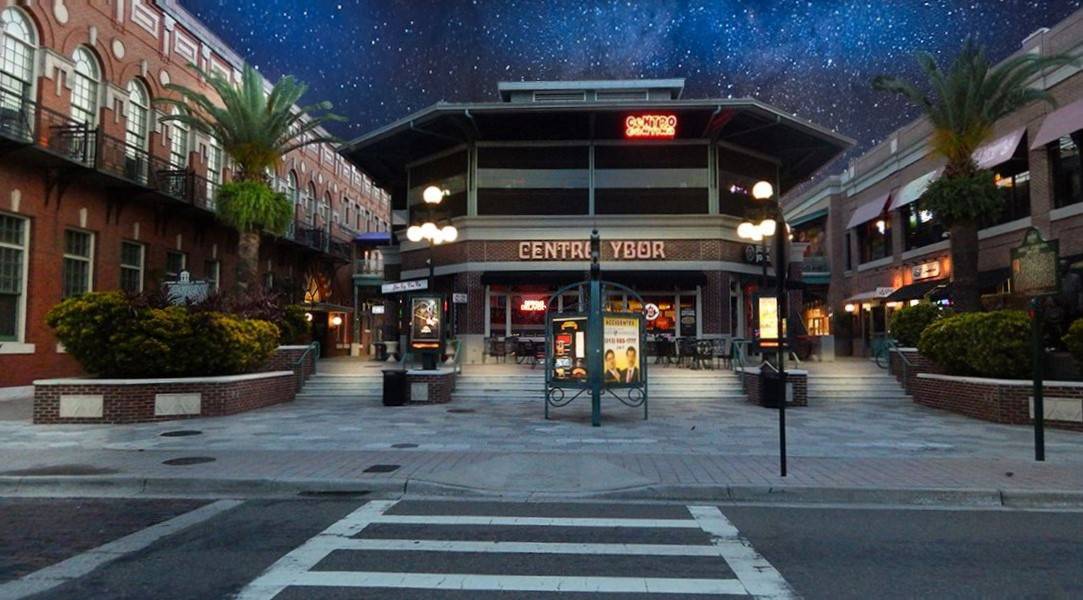
Centro Ybor brings shopping, dining and entertainment together near 7th Avenue. Historic clubhouses, cigar shops, galleries and the J.C. Newman cigar factory tour add layers to a neighborhood where many attractions occupy buildings connected to the district’s working past.
Restaurants, Cafés and Nightlife
Dining in Ybor City reflects both the neighborhood’s roots and its evolving entertainment district. The original Columbia Restaurant has served Spanish and Cuban cuisine on 7th Avenue since 1905. Around the district, cafés, bakeries, bars, breweries and late-night restaurants occupy storefronts ranging from historic masonry buildings to newer mixed-use spaces.
For current options, compare the Ybor City restaurant directory with the Centro Ybor directory. Because operating hours and concepts change, buyers who value quiet evenings should visit a prospective block during both daytime and weekend nighttime conditions.
Transportation, Parking and Downtown Access
The fare-free TECO Line Streetcar connects Ybor City with Channelside and Downtown Tampa. The district also has sidewalks, bike connections, bus service, public garages and metered spaces, though the most convenient option depends on the exact property and time of day.
For condos and lofts, verify whether parking is deeded, assigned, leased or first-come. For detached homes, review driveway access, alley conditions and guest parking. Event schedules and weekend demand can materially change how a block functions.
What Ybor City Buyers Should Compare
Historic character can add appeal, but it also makes property-by-property due diligence especially important. Compare renovation quality, permit history, windows and exterior materials, electrical and plumbing updates, roof age, foundation condition, insurance availability, flood-zone information and any condominium or homeowners association documents.
Properties within the local historic district may be reviewed by the Barrio Latino Commission for certain exterior changes. Before assuming a project is allowed, consult the City’s Ybor Design Guidelines and confirm the property’s designation directly with historic-preservation staff. Buyers should also compare parking, nearby nightlife, event traffic and future development around the specific block.
Nearby Communities and Search Resources
Ybor City offers a distinct alternative to nearby urban neighborhoods. Compare it with Downtown Tampa for a high-rise city-center setting, Channelside for waterfront-oriented condos and newer development, and Tampa Heights for another historic neighborhood north of the downtown core.
Buyers can also explore Harbour Island, Davis Islands, the broader Tampa homes for sale page and the Hillsborough County showcase to compare property types, neighborhood character and current listings across the region.