
Explore Stoney Point Tampa, a compact South Tampa waterfront neighborhood with canal homes and direct access toward Old Tampa Bay. Compare boating access, seawalls, flood exposure, insurance and ownership costs before touring Stoney Point homes for sale.
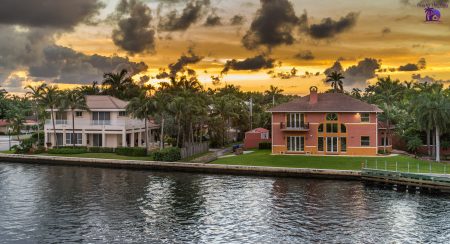
- Stoney Point Tampa Homes for Sale
- Stoney Point Tampa Location and Canal Layout
- Stoney Point History and Housing Evolution
- Stoney Point Homes and Architectural Styles
- Canal Access, Boating and Tampa Bay
- Seawalls, Docks and Waterfront Inspections
- Flood Zones, Elevation and Insurance
- Storm Preparation and Property Resilience
- Dining, Recreation and Everyday Access
- Renovation, New Construction and Resale Tradeoffs
- Property Taxes, Insurance and Waterfront Ownership Costs
- What Stoney Point Tampa Buyers Should Compare
- Nearby South Tampa Communities and Search Resources
- Planning a Stoney Point Home Search
- Map of Stoney Point Tampa
Stoney Point Tampa Homes for Sale
Stoney Point Tampa Location and Canal Layout
Stoney Point Tampa is a small waterfront enclave on the western side of South Tampa, near Old Tampa Bay. The neighborhood is associated with three canal-oriented streets: West Melrose Avenue North, West Melrose Avenue South and West San Rafael Street west of Westshore Boulevard. It is part of the 33629 ZIP code in Hillsborough County.
Because Stoney Point is compact, individual lots and water exposure shape the experience more than a broad neighborhood average. Canal-front parcels, end lots and homes nearer the open bay can have different views, wind exposure, water depth and boating routes. Therefore, buyers should confirm the legal subdivision, waterfront boundary and access characteristics of each property rather than relying only on the neighborhood label.
Stoney Point History and Housing Evolution
Stoney Point developed over several decades as Tampa expanded along its western peninsula. Its street pattern follows the canals, so the waterfront setting has influenced how homes face the water, how outdoor living areas are arranged and how docks connect to the bay. Earlier residences remain, while renovated homes and newer custom construction have gradually changed the streetscape.
As a result, the neighborhood does not have one uniform architectural era. A smaller established home may occupy an exceptional lot, while a newer residence may offer higher finished-floor elevations, current systems and more storm-resistant construction. Buyers should compare effective age, permit history and renovation quality instead of treating year built as the whole story.
Stoney Point Homes and Architectural Styles
Stoney Point homes may include single-story ranch houses, remodeled mid-century residences, Mediterranean-influenced designs, transitional homes and contemporary custom construction. Floor plans often emphasize rear water views, patios, pools and indoor-outdoor connections. Still, the usefulness of a layout depends on orientation, window placement, garage access and the relationship between the house, yard and dock.
In addition, lot width and setbacks can influence renovation or redevelopment plans. Buyers considering an addition, pool, outdoor kitchen or new construction should review the current survey, easements, setbacks and flood requirements before assuming a project will fit. For newer homes, compare drainage, impact-rated openings, roof details, elevation and warranty coverage.
Canal Access, Boating and Tampa Bay
Boating is a major reason buyers consider Stoney Point Tampa. However, canal frontage does not automatically mean identical access. Water depth, tides, turning room, dock placement, lift capacity and the route to Old Tampa Bay can vary by property. A boat that works at one address may not be practical at another.
Before closing, buyers should verify controlling depth and navigability for the vessel they intend to use. They should also inspect dock utilities, pilings, decking and lift equipment. In addition, insurance and maintenance costs may differ for homes with more exposed bay frontage. Buyers comparing other options can browse South Tampa waterfront homes to see how Stoney Point differs from nearby canal and bayfront communities.
Seawalls, Docks and Waterfront Inspections
A waterfront inspection should go beyond the general home inspection. A marine contractor or qualified specialist can evaluate visible seawall movement, cracks, cap condition, tie-backs, drainage, dock structure, pilings and lift components. Because repairs can be significant, buyers should understand expected service life and obtain realistic estimates during the inspection period.
Permitting also matters. The City of Tampa’s residential permit guidance explains requirements for seawalls and docks, including surveys and structural documentation. Therefore, buyers should review permits for prior marine work and confirm that proposed improvements can receive the necessary approvals.
Flood Zones, Elevation and Insurance
Flood risk is address-specific throughout Stoney Point Tampa. Buyers should review the current flood-zone designation, available elevation certificate, finished-floor elevation and prior flood information. The City of Tampa flood information page provides local resources, while the City’s natural-hazards map helps buyers review evacuation planning separately.
Importantly, flood zones and evacuation zones answer different questions. Insurance quotes can also change based on elevation, roof age, openings, construction date, claims history and mitigation features. Consequently, buyers should obtain property-specific homeowners, wind and flood quotes before finalizing the ownership budget.
Storm Preparation and Property Resilience
Waterfront ownership requires a practical storm plan. Buyers should review the roof, impact-rated windows and doors, shutters, garage-door rating, drainage, generator setup and the elevation of exterior equipment. In addition, loose dock items, lifts and outdoor furniture need a clear preparation plan before severe weather.
The City of Tampa hurricane information page provides preparedness resources. Still, resilience is property-specific. A newer home may include current structural and flood-resistant features, while an older home may have valuable upgrades completed over time. Buyers should verify permits and documentation rather than assuming features from appearance alone.
Dining, Recreation and Everyday Access
Stoney Point is primarily residential, so shopping, dining and recreation extend into the surrounding South Tampa corridors. Westshore Boulevard, Kennedy Boulevard, Bay to Bay Boulevard and Dale Mabry Highway connect residents with groceries, services, restaurants and employment centers. However, traffic patterns change throughout the day, so buyers should test their usual routes during realistic commute times.
Farther south, the Westshore Marina District adds waterfront dining, retail, events and pedestrian spaces. Nearby waterfront restaurants such as Hula Bay Club and Salt Shack on the Bay also broaden the local dining options. Meanwhile, Tampa International Airport, the Westshore business district and central Tampa remain accessible by major surface roads.
Renovation, New Construction and Resale Tradeoffs
Buyers may compare an established Stoney Point home with a renovated property or newer custom construction. An older house can offer a strong lot position and a lower profile, although it may need updates to roofing, windows, electrical systems, plumbing or flood-related components. A renovated home can reduce immediate work, but buyers should verify permits and workmanship.
Newer construction may provide higher ceilings, open living areas, current mechanical systems and more recent wind standards. Even so, buyers should inspect drainage, waterproofing, finish quality and warranty coverage. Therefore, the best choice depends on renovation tolerance, desired layout, insurance, financing and the total post-closing budget.
Property Taxes, Insurance and Waterfront Ownership Costs
A realistic Stoney Point budget should extend beyond the mortgage payment. Property taxes may reset after a sale, and the seller’s current bill may reflect exemptions or an assessed value that will not transfer. Therefore, buyers should estimate taxes using the expected purchase price and their own exemption status.
Insurance, seawall reserves, dock maintenance, pool service, landscaping and salt-air exposure can also affect annual costs. In addition, roofs, exterior finishes, windows, doors and mechanical equipment may require more frequent attention near the water. Obtaining quotes and inspection findings before closing helps buyers compare homes on total ownership cost instead of purchase price alone.
What Stoney Point Tampa Buyers Should Compare
Stoney Point homes can appear similar online while offering very different boating access and ownership profiles. Before choosing between listings, compare the features that influence both daily use and long-term expense.
- Canal position, water depth and route to Tampa Bay
- Lot orientation, view corridor and wind exposure
- Seawall, dock, pilings and boat-lift condition
- Flood zone, elevation and evacuation planning
- Roof age, openings, mitigation features and insurability
- Renovation permits and effective age of major systems
- Lot dimensions, drainage and future project potential
- Estimated taxes, insurance and maintenance reserves
Finally, compare recent sales with similar waterfront characteristics. A broad neighborhood average can be misleading when one property has superior water access, a newer seawall or a substantially different elevation and construction standard.
Nearby South Tampa Communities and Search Resources
Buyers considering Stoney Point often compare it with Beach Park for additional bayfront and established-home options, Culbreath Isles for canal and boating properties, Sunset Park for waterfront and inland choices, and Bel Mar Shores for another compact neighborhood near Old Tampa Bay. The Westshore Marina District offers a different mix of newer homes, townhomes and condominium living near waterfront retail and dining.
For a wider search, review the complete South Tampa guide, explore Tampa homes and neighborhoods, or compare opportunities across Hillsborough County. Those pages help buyers place Stoney Point Tampa within the broader market while keeping the property-specific details in focus.
Planning a Stoney Point Home Search
Inventory in a small canal neighborhood can change quickly and may remain limited. Therefore, a useful search should include both active listings and recent comparable sales. Buyers should define their required boat access, renovation tolerance, preferred elevation, insurance budget and ideal closing timeline before touring homes.
When a Stoney Point home becomes available, reviewing the survey, elevation information, permits, seawall history and insurance options early can make the decision clearer. In addition, comparing nearby waterfront communities provides context when the exact combination of lot, house and boating access is not immediately available.